Harlequin: Killing the Past, Betting on the Vertical Future
As the publisher shutters its nearly 40-year-old historical romance line, it announces an AI-assisted microdrama deal — a contrast that reveals an industry navigating a fundamental shift in how stories are consumed
Published 31.3.2026 | Video: Youtube, showing one of Dashverse's microdrama
Just seven weeks after announcing the end of its historical romance imprint, Harlequin has unveiled what comes next: 40 animated microdramas, produced with AI assistance, based on existing titles, distributed on mobile short-video platforms worldwide (press release).
The multi-year partnership with Dashverse, an AI entertainment company based in Bengaluru, launches in April with an adaptation of Catherine Mann's A Fairy-Tail Ending. Further titles follow in May. Episodes are produced using Dashverse's proprietary system Frameo, which combines text prompting with automated editing to generate short films with consistent characters and dynamic audio — each taking roughly three weeks to complete. Authors will receive royalties; the content will be monetized via ads and subscriptions.
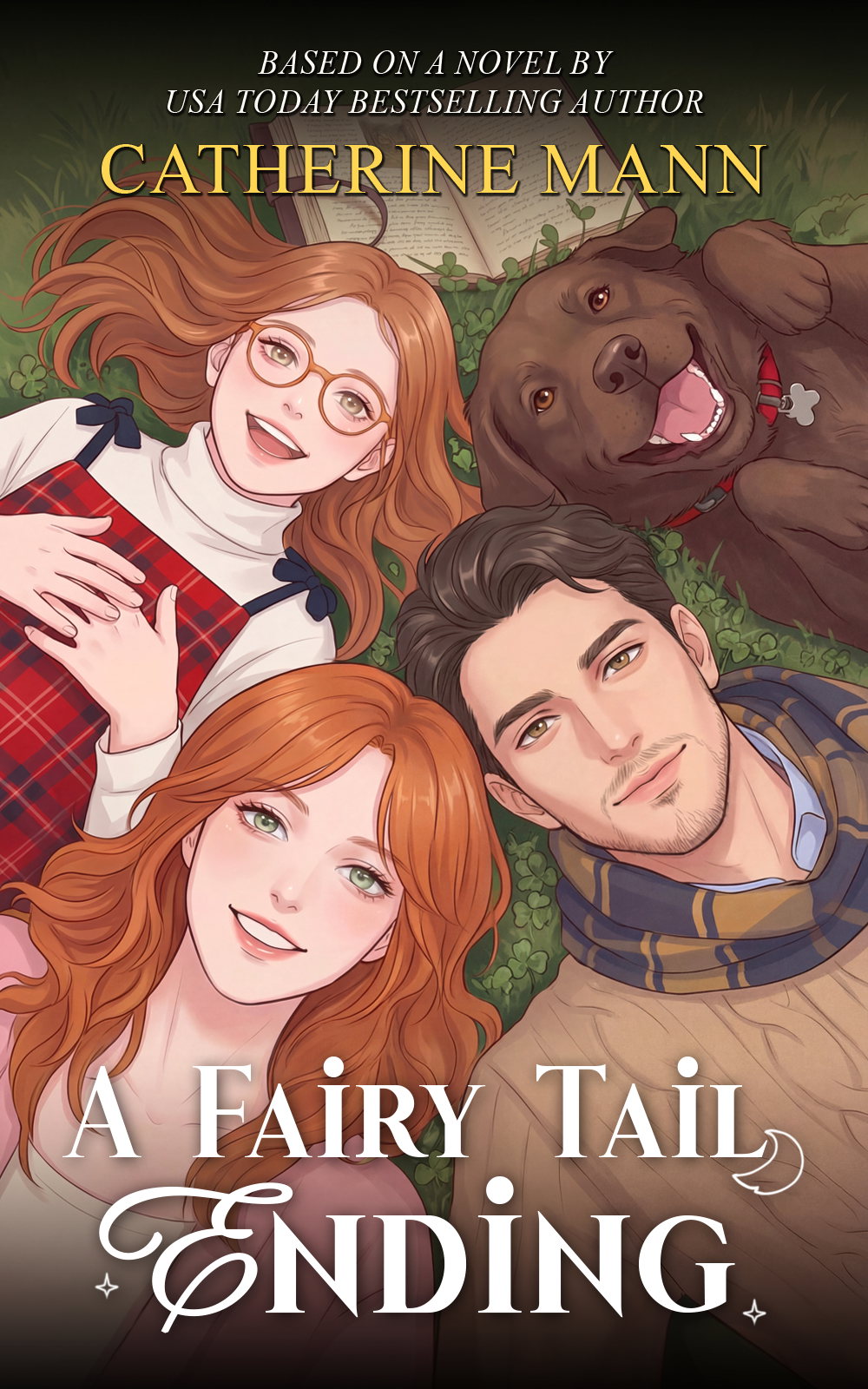
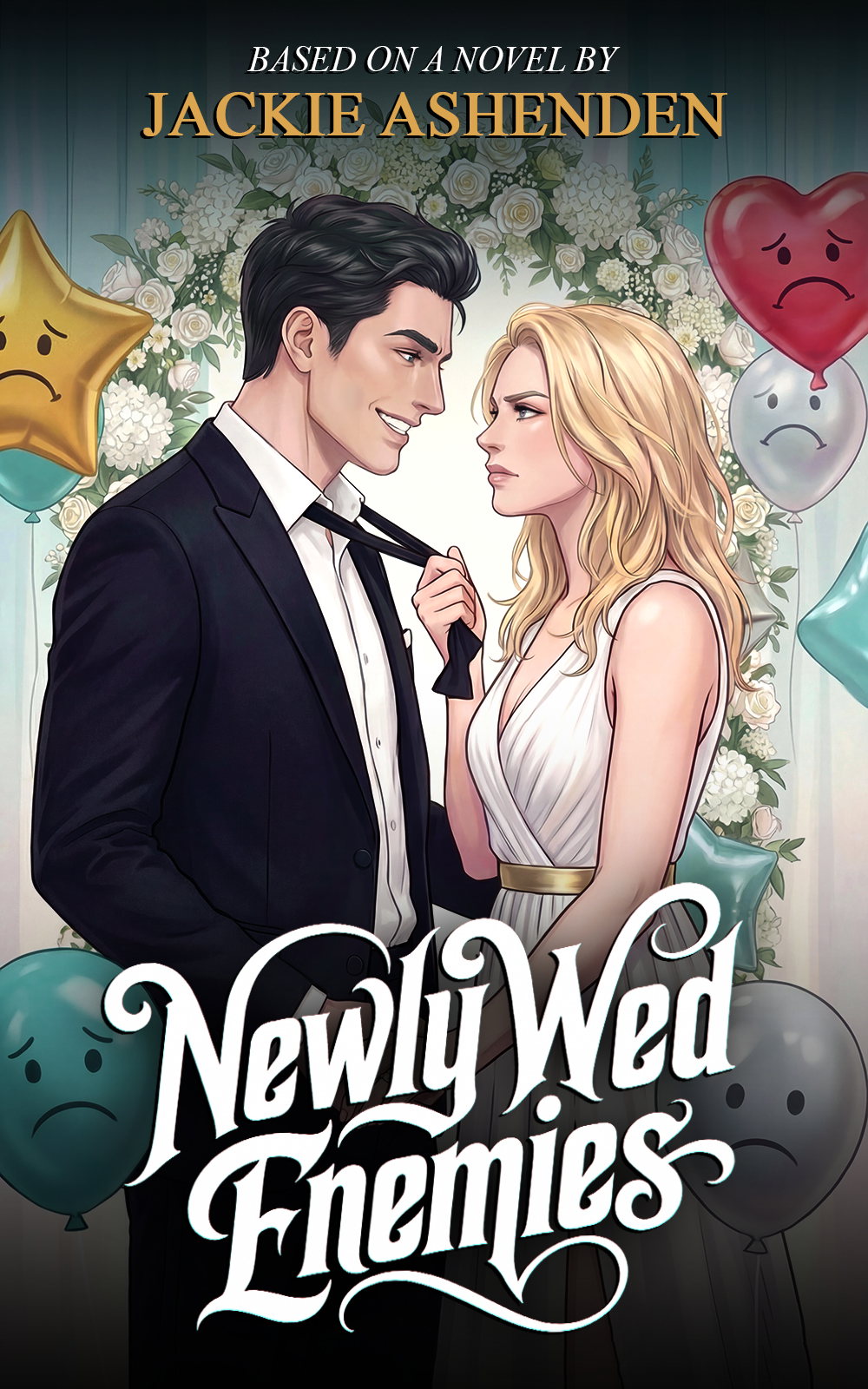
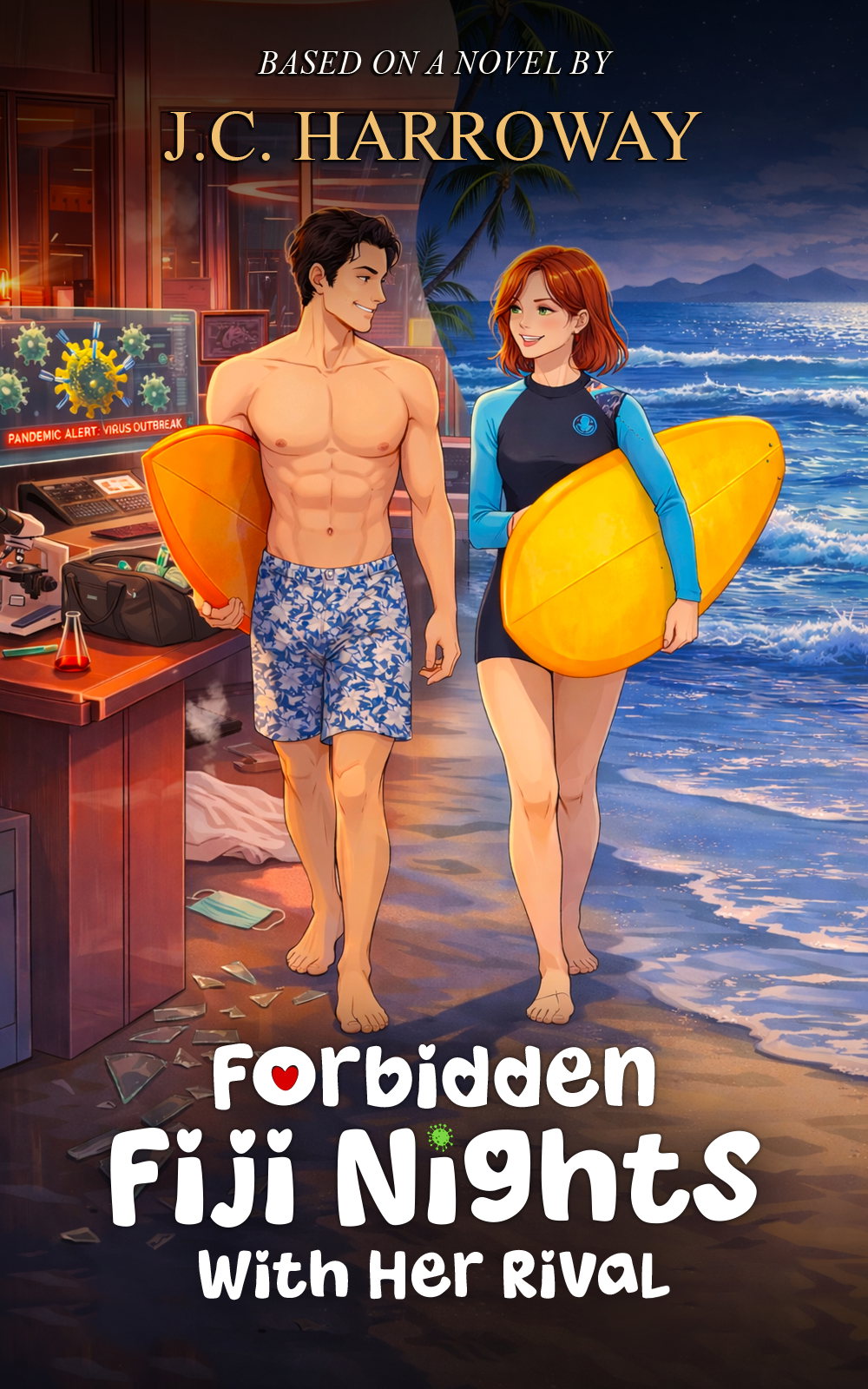
The format Harlequin is betting on
To understand the move, it helps to understand what microdramas actually are — and why they are anything but a passing trend.
Vertical dramas are fully scripted serialized series shot in 9:16 format, with episode lengths ranging from 30 seconds to around 15 minutes. Every episode has one single job: prevent the viewer from scrolling away. Emotional peaks arrive within the first few seconds. Conflicts are maximally compressed, characters are archetypal, and every episode ends on a cliffhanger. The logic is closer to slot machines than to television.
As Petra Schwegler reports in her German article, the format's center of gravity is China, where "Duanju" — short dramas — have built a multi-billion-dollar market over the past few years, with platforms like Douyin and Kuaishou driving dedicated ecosystems and partnerships with short-drama studios. Specialized apps like ReelShort and DramaBox do nothing else but distribute vertical series, often via freemium models: the first few episodes are free, seeding TikTok feeds as bait, while paying for the rest — sometimes across 50 to 80 episodes — requires a subscription or per-episode payment. The global market is projected to reach up to 26 billion US dollars by 2030.
The model has real critics. US media analyst Evan Shapiro has pointed out that ReelShort, the market leader with 1.3 billion dollars in revenue in 2025, spends as much on customer acquisition as it earns — posting a 500-million-dollar loss. The pay-per-view model, he argues, only functions on the back of massive Chinese investment and is not sustainable in Western markets without structural adaptation. Yet even Shapiro acknowledges vertical drama as one of the more plausible symbioses between television and social media for reaching the next generation of viewers.
Production logic is also evolving fast. Many vertical series are now data-driven at their core: comment volumes, shares, and watch time determine whether a character gets promoted, a plot thread extended, or a new season greenlit. The audience, in effect, co-authors the story — not through direct input, but through the behavioral data they generate watching episode seven.
The business logic — and what it costs
Against this backdrop, Harlequin's move is strategically coherent. The publisher sits on an enormous backlist of globally recognized IP. Rather than investing in new author development, existing titles can be reformatted quickly, scalably, and cheaply. "Some of the most powerful stories in the world already exist," said Dashverse CEO Sanidhya Narain. "They just need to be experienced in new ways."
The timing, however, is telling. In February 2026, Harlequin confirmed it would discontinue "Harlequin Historical" — one of its longest-running imprints, launched in 1988 — citing "evolving reader interests globally." (PW report). That framing is strikingly understated for the end of a genre that has shown clear signs of life elsewhere: "Bridgerton" remains a cultural phenomenon, Regency romance is thriving on BookTok and in self-publishing, and even Bridgerton author Julia Quinn recently launched a curated subscription box to reconnect readers with the format, as PW reports. The audience exists. The traditional paperback, apparently, does not.
The AI angle adds another layer of complexity. Harlequin is already under scrutiny for testing AI translation at its French operation, prompting the French Literary Translators Association to raise the alarm and the publisher to assert its "unconditional attachment to human work" — a statement that sits uneasily alongside a production system explicitly designed to automate storytelling at scale.
What it means for publishing
Harlequin is navigating two realities simultaneously: the slow decline of the mass-market print format and the rapid rise of mobile, visual, serialized entertainment. Vertical drama fits the second reality well. It does not, however, offer much to the authors and subgenres that defined the first.
The deeper question is what gets lost in the translation — not just from page to screen, but from a 300-page novel with narrative depth to a 90-second clip engineered to keep a thumb from swiping. Romance as a genre has always understood emotional immediacy; in that sense, the DNA is not entirely incompatible with vertical drama's demands. But whether Harlequin's deal represents genuine adaptation or a form of IP liquidation — extracting short-term value from a catalogue while withdrawing investment from the format that built it — remains to be seen.
One thing is clear: the vertical wave is arriving in Western markets regardless of what publishers decide. The question is who shapes it first — and on whose terms.